© 2026 ivoirebasket — All rights reserved.
Top stories — today’s pick
FIBA World Cup 2027 Qualifiers: Tunisia and Senegal Confirmed as Hosts of Window 4Africa
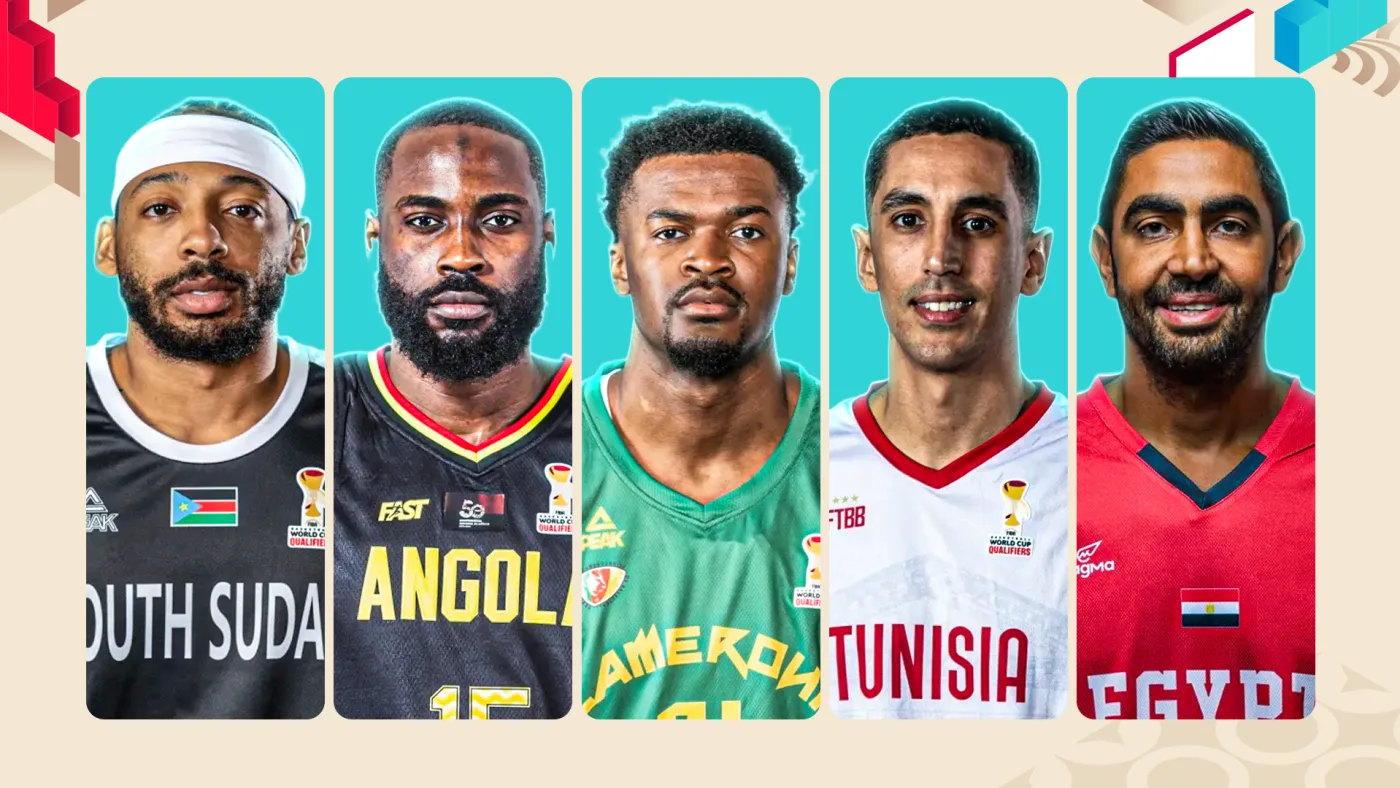
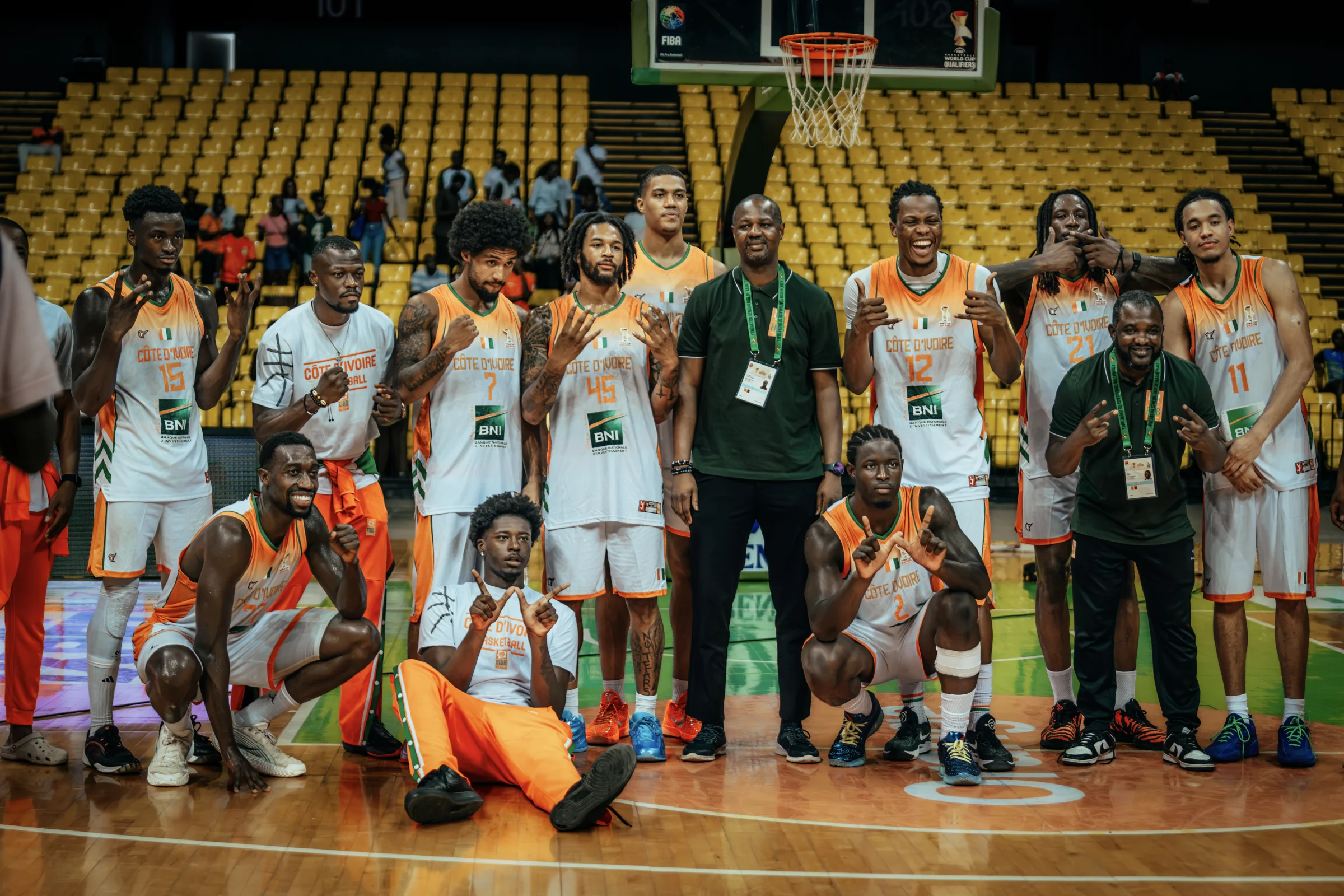
Final Qualification Spots to Be Decided in Dakar and Radès FIBA Africa has officially announced the hosts for Window 4 of the FIBA Basketball World Cup 2027 African Qualifiers. The decisive final qualifying games will take place from August 27 to 29, 2026, with Dakar, Senegal, and Radès, Tunisia, serving as the two host cities. Each nation will welcome one of the two remaining qualifying groups, where teams will battle for the final African tickets to the FIBA Basketball World Cup 2027 in Qatar. Group Composition Group E – Dakar, Senegal 🇸🇳 Senegal 🇨🇮 Côte d'Ivoire 🇨🇲 Cameroon 🇬🇳 Guinea 🇸🇸 South Sudan 🇨🇩 DR Congo Group F – Radès, Tunisia 🇹🇳 Tunisia 🇦🇴 Angola 🇲🇱 Mali 🇪🇬 Egypt 🇳🇬 Nigeria 🇨🇻 Cape Verde Everything Still to Play For Following the conclusion of Window 3 in July, the race for qualification remains wide open. In Group E, Senegal enters the final window with strong momentum after an unbeaten home performance in Window 3. Côte d'Ivoire, boasting an impressive 5-1 record, is also among the leading contenders to secure a place at the World Cup, while Cameroon, Guinea, South Sudan, and DR Congo will all be looking to keep their qualification hopes alive. Meanwhile, Group F promises another thrilling battle featuring some of Africa's basketball heavyweights. Tunisia, Angola, Mali, Egypt, Nigeria, and Cape Verde will compete for the remaining qualification spots in what is expected to be one of the tournament's most competitive groups. Road to Qatar 2027 The fourth and final qualifying window will determine the five African nations that will represent the continent at the FIBA Basketball World Cup Qatar 2027. With crucial matchups scheduled in Dakar and Radès, African basketball fans can look forward to an exciting conclusion to the qualification campaign as the continent's best teams fight for a place on the world's biggest basketball stage.
Read article

Filter by topic.
1–6 of 48
AfricaFinal Qualification Spots to Be Decided in Dakar and Radès FIBA Africa has officially announced the hosts for Window 4 of the FIBA Basketball World Cup 2027 African Qualifiers. The decisive final qualifying games will take place from August 27 to 29, 2026, with Dakar, Senegal, and Radès, Tunisia, serving as the two host cities. Each nation will welcome one of the two remaining qualifying groups, where teams will battle for the final African tickets to the FIBA Basketball World Cup 2027 in Qatar. Group Composition Group E – Dakar, Senegal 🇸🇳 Senegal 🇨🇮 Côte d'Ivoire 🇨🇲 Cameroon 🇬🇳 Guinea 🇸🇸 South Sudan 🇨🇩 DR Congo Group F – Radès, Tunisia 🇹🇳 Tunisia 🇦🇴 Angola 🇲🇱 Mali 🇪🇬 Egypt 🇳🇬 Nigeria 🇨🇻 Cape Verde Everything Still to Play For Following the conclusion of Window 3 in July, the race for qualification remains wide open. In Group E, Senegal enters the final window with strong momentum after an unbeaten home performance in Window 3. Côte d'Ivoire, boasting an impressive 5-1 record, is also among the leading contenders to secure a place at the World Cup, while Cameroon, Guinea, South Sudan, and DR Congo will all be looking to keep their qualification hopes alive. Meanwhile, Group F promises another thrilling battle featuring some of Africa's basketball heavyweights. Tunisia, Angola, Mali, Egypt, Nigeria, and Cape Verde will compete for the remaining qualification spots in what is expected to be one of the tournament's most competitive groups. Road to Qatar 2027 The fourth and final qualifying window will determine the five African nations that will represent the continent at the FIBA Basketball World Cup Qatar 2027. With crucial matchups scheduled in Dakar and Radès, African basketball fans can look forward to an exciting conclusion to the qualification campaign as the continent's best teams fight for a place on the world's biggest basketball stage.
AfricaFollowing the 2026 FIBA U17 World Cup held in Turkey, Joaquim Boumtje Boumtje, a player of Cameroonian descent representing Team USA, was named the tournament MVP after leading the United States to another gold medal. The 17-year-old, a future Duke University player and 2.11m (6'11") big man, dominated the competition with his versatility and efficiency. He averaged 19.6 points, 10.9 rebounds, 2.0 assists, 2.1 blocks, and 1.7 steals, while posting impressive shooting splits of 59% from the field, 53% from three-point range, and 88% from the free-throw line. In the final against Serbia, Boumtje Boumtje stepped up once again, recording 20 points, 15 rebounds, and 3 blocks. His performance played a major role in the United States' commanding 107–81 victory and cemented his status as the tournament's standout player. The son of former Cameroonian international and NBA player Ruben Boumtje Boumtje, Joaquim is on a meteoric rise. Having developed at FC Barcelona before heading to Duke next season, he is now regarded as one of global basketball's top prospects, with some observers already projecting him as a potential number-one pick in the 2028 NBA Draft.
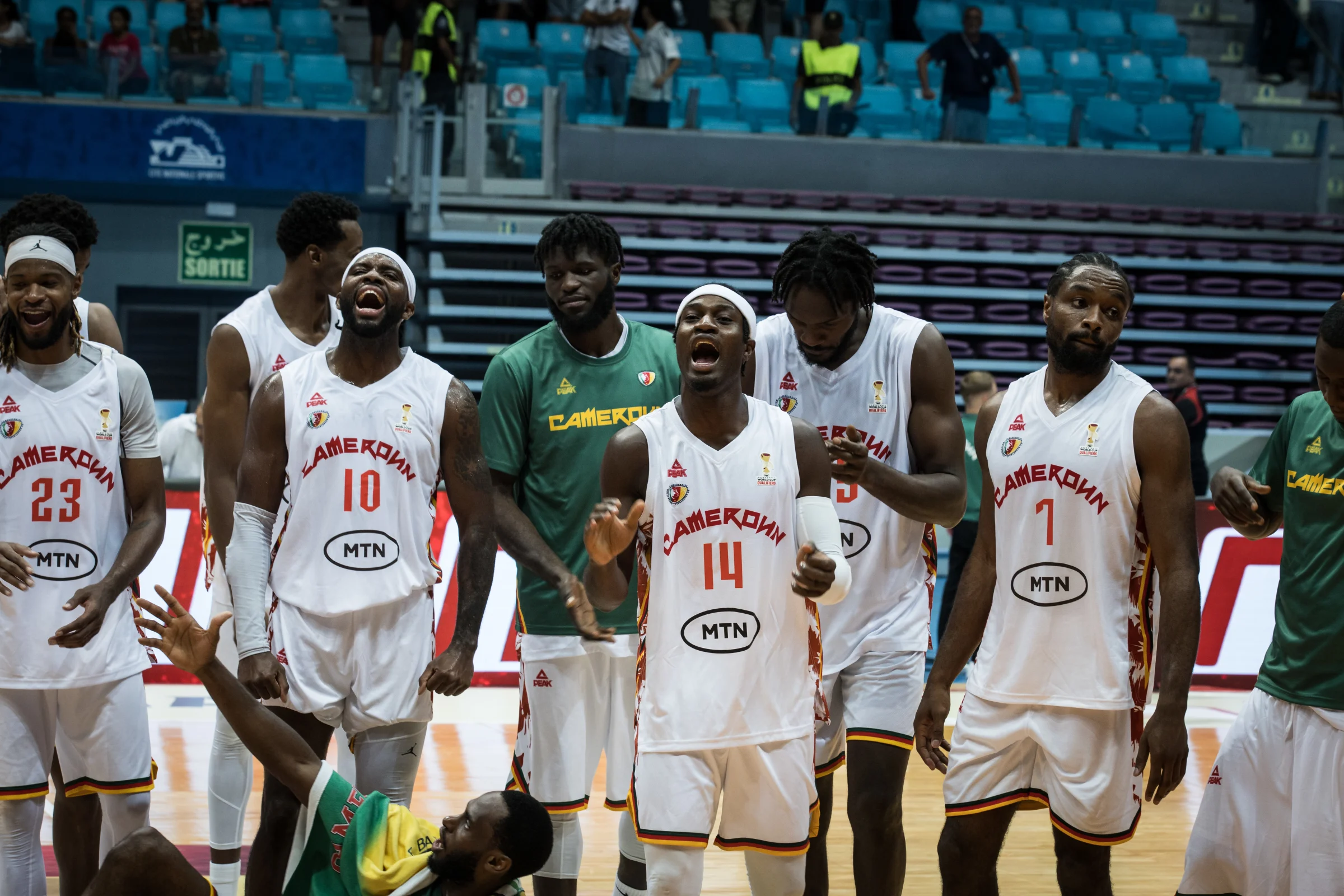
AfricaThe First Round of the FIBA Basketball World Cup 2027 African Qualifiers has officially concluded, with 12 nations advancing to the Second Round after six games across four groups. With only five African berths available for the 2027 FIBA Basketball World Cup in Qatar, the race is now entering its decisive stage. Group A saw Cameroon finish atop the standings with a 5-1 record, edging South Sudan (4-2). Cape Verde secured the third qualifying spot at 3-3, while Libya was eliminated after finishing 0-6. In Group B, Senegal emerged as group winners with a 5-1 record, narrowly ahead of Côte d'Ivoire, who also finished 5-1. DR Congo claimed the final qualifying place with a 2-4 record, while Madagascar exited the competition without a win. Group C belonged to Nigeria, who completed an impressive 5-1 campaign to finish first. Tunisia and Guinea also advanced with identical 4-2 records, while Rwanda was eliminated after finishing last. Group D featured another dominant performance from Mali, who topped the group with a 5-1 record. Angola followed at 4-2, while Egypt secured the third and final qualification spot with a 3-3 record. Uganda was eliminated after ending the first phase with a 0-6 record. Second Round: Carried-Over Results Could Prove Decisive Unlike many qualification tournaments, teams do not start the Second Round from scratch. Each nation carries over the results earned against the other qualified teams from its First Round group, creating an immediate advantage for the strongest performers. The qualified teams are divided into two new groups of six: Group E Cameroon (5-1) South Sudan (4-2) Nigeria (5-1) Tunisia (4-2) Guinea (4-2) Cape Verde (3-3) Group F Senegal (5-1) Côte d'Ivoire (5-1) Mali (5-1) Angola (4-2) Egypt (3-3) DR Congo (2-4) Each team will play six additional games against the three qualifiers from the opposite group, with the carried-over records remaining in effect throughout the Second Round. What to Watch Group F appears to be the most competitive, with Senegal, Côte d'Ivoire and Mali all entering tied at 5-1, giving them a significant advantage over Angola, Egypt and DR Congo. Every game among the group's contenders could prove decisive in the battle for qualification. Group E is equally intriguing. Cameroon holds a slight edge at 5-1, while Nigeria, South Sudan, Tunisia and Guinea remain firmly in contention with 4-2 records. Cape Verde, starting at 3-3, still has a realistic chance but can afford very few mistakes. The top two teams from each group will qualify directly for the FIBA Basketball World Cup 2027 in Qatar, while the best third-placed team across Groups E and F will earn Africa's fifth and final World Cup berth, ensuring a thrilling finish to the African Qualifiers.
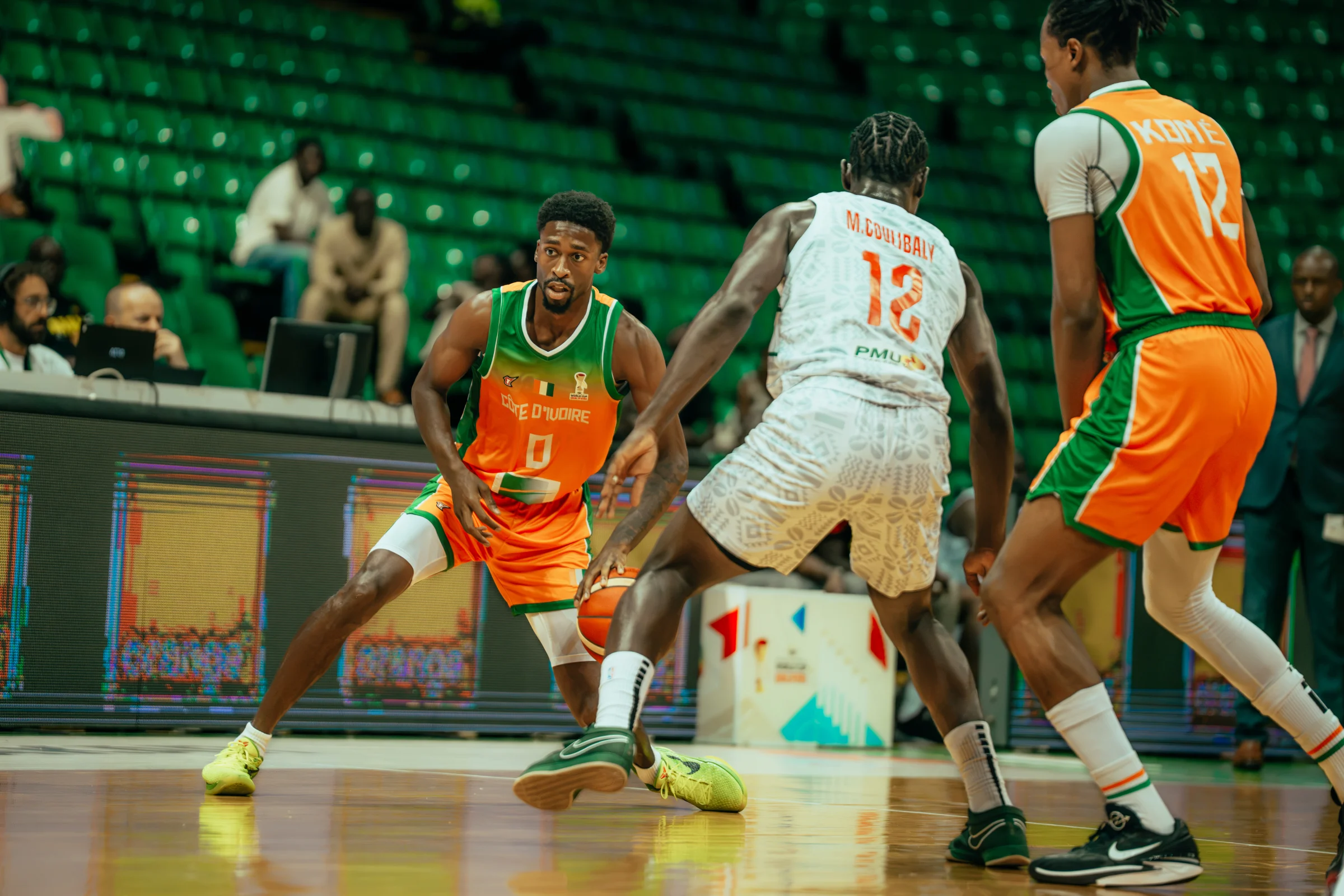
AfricaCôte d'Ivoire and Senegal confirmed their status among Africa's basketball heavyweights by advancing to the Second Round of the FIBA Basketball World Cup 2027 African Qualifiers following the conclusion of Window 3 in Dakar. The Elephants finished with a 2-1 record, highlighted by dominant victories over DR Congo (96-59) and Madagascar (99-74), while Senegal also posted a 3-0 mark after defeating Côte d'Ivoire in their rematch and taking care of business against Madagascar and DR Congo. DR Congo completed the trio of qualifiers from Group B thanks to the win 82-62, leaving Madagascar eliminated after 3 straight defeats. Although qualification has been secured, the job is far from finished. Results against the other qualified teams carry into the Second Round, making every victory increasingly valuable as Africa's top nations battle for the five World Cup tickets available for Qatar 2027.
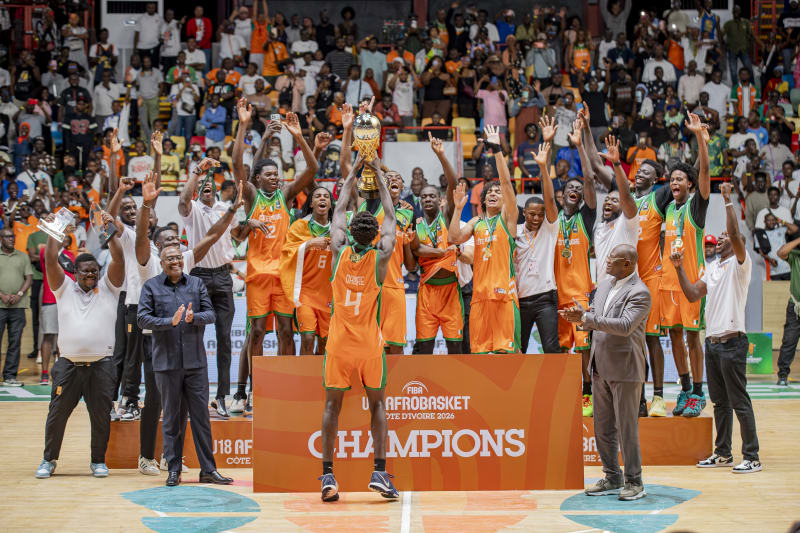
Côte d’IvoireCôte d'Ivoire's Young Elephants have completed a memorable first appearance at the FIBA U17 Basketball World Cup, finishing 11th in the world after defeating New Zealand 85-81 in their final classification game in Istanbul, Türkiye. The reigning 2025 FIBA U16 AfroBasket champions ended the tournament with a 3-4 record, exceeding expectations and announcing themselves as one of Africa's brightest emerging basketball nations. A historic World Cup debut History was made from the opening game. Côte d'Ivoire defeated Venezuela 74-63 to earn the country's first-ever victory at a FIBA U17 World Cup, led by Jean-Philippe Oka, who finished with 18 points and four steals. The Young Elephants then gained valuable experience against two of the tournament's strongest teams, narrowly falling to Australia (78-73) before facing Serbia (97-71). After a Round of 16 defeat to Puerto Rico (101-85), the Ivorians responded impressively in the classification rounds by defeating African rivals Cameroon before edging New Zealand 85-81 to secure 11th place. Young stars shine on the world stage Several Ivorian prospects emerged as standout performers throughout the tournament. Nathan Djako established himself as Côte d'Ivoire's leading scorer, averaging 14.6 points and 3.7 steals per game, showcasing his ability to impact both ends of the floor. Jean-Philippe Oka delivered an outstanding all-around tournament, averaging 13.7 points, 8.6 rebounds, and 2.0 blocks per game, while Raphael Ouedraogo controlled the paint with 9.0 rebounds, 2.0 blocks, and the team's highest efficiency rating (18.9). Running the offense, Barakel Koffi averaged a team-best 4.1 assists per game, providing leadership and playmaking throughout the competition. A bright future for Ivorian basketball More than just an 11th-place finish, this tournament represents another major milestone in Côte d'Ivoire's long-term youth development project. Less than a year after capturing the FIBA U16 AfroBasket title, the Young Elephants proved they can compete with the world's elite. The next chapter begins in August, when Côte d'Ivoire hosts the FIBA U18 AfroBasket 2026, with the ultimate objective of qualifying for the FIBA U19 Basketball World Cup 2027. This generation has shown that Ivorian basketball is no longer an emerging story—it is becoming a force to be reckoned with on the international stage.
Côte d’IvoireCôte d'Ivoire's historic debut at the FIBA U17 Basketball World Cup has been filled with memorable performances and valuable experience against the world's best young talents. Drawn into a challenging Group D featuring global basketball powers, the African champions proved they belonged on the international stage. A promising group-stage campaign The Young Elephants opened their tournament by earning the country's first-ever victory at a FIBA U17 World Cup, defeating Venezuela 74-63. Jean-Philippe Oka led the way with 18 points and four steals. Côte d'Ivoire then pushed tournament contender Australia to the limit before falling 78-73. Barakel Koffi delivered an outstanding 20-point performance, while Raphael Ouedraogo anchored the defense with five blocks, showcasing his elite rim protection. Although Serbia claimed a 97-71 victory in the final group game, 15-year-old Nathan Djako emerged as one of the tournament's brightest young prospects. The talented guard exploded for 27 points, including four three-pointers, against one of Europe's strongest youth teams. With a 1-2 record, Côte d'Ivoire finished third in Group D, earning a historic berth in the Round of 16 during their first-ever World Cup appearance. Puerto Rico ends championship hopes The Young Elephants' championship run came to an end with a 101-85 loss to Puerto Rico in the Round of 16. Côte d'Ivoire remained competitive for much of the contest thanks to its aggressive transition offense, but Puerto Rico's efficient perimeter shooting proved decisive in the closing stages. Despite the defeat, the Ivorians remain in competition through the 9th-16th classification games, providing another opportunity to gain valuable international experience. African rivalry renewed Next up is a highly anticipated matchup against Cameroon on Friday, July 3, in Istanbul. The game will be a rematch of the 2025 FIBA U16 AfroBasket Final, where Côte d'Ivoire defeated Cameroon to win the African championship. The Young Elephants will now look to repeat that success on the world stage. Standout performers Several Ivorian players have enjoyed outstanding tournaments: Nathan Djako – 17.0 points per game, including 27 points against Serbia. Jean-Philippe Oka – Two-way leader who posted 18 points and four steals against Venezuela. Barakel Koffi – Explosive scorer with 20 points against Australia. Raphael Ouedraogo – Defensive anchor highlighted by five blocks against Australia. Beyond the results, Côte d'Ivoire's World Cup debut has demonstrated the remarkable progress of the country's youth basketball program. Less than a year after winning the FIBA U16 AfroBasket title, the Young Elephants have shown they possess a generation capable of competing with the world's best and laying the foundation for a bright future for Ivorian basketball.
Page 1 of 8
AfricaCôte d'Ivoire and Senegal confirmed their status among Africa's basketball heavyweights by advancing to the Second Round of the FIBA Basketball World Cup 2027 African Qualifiers following the conclusion of Window 3 in Dakar. The Elephants finished with a 2-1 record, highlighted by dominant victories over DR Congo (96-59) and Madagascar (99-74), while Senegal also posted a 3-0 mark after defeating Côte d'Ivoire in their rematch and taking care of business against Madagascar and DR Congo. DR Congo completed the trio of qualifiers from Group B thanks to the win 82-62, leaving Madagascar eliminated after 3 straight defeats. Although qualification has been secured, the job is far from finished. Results against the other qualified teams carry into the Second Round, making every victory increasingly valuable as Africa's top nations battle for the five World Cup tickets available for Qatar 2027.
Côte d’IvoireCôte d'Ivoire's Young Elephants have completed a memorable first appearance at the FIBA U17 Basketball World Cup, finishing 11th in the world after defeating New Zealand 85-81 in their final classification game in Istanbul, Türkiye. The reigning 2025 FIBA U16 AfroBasket champions ended the tournament with a 3-4 record, exceeding expectations and announcing themselves as one of Africa's brightest emerging basketball nations. A historic World Cup debut History was made from the opening game. Côte d'Ivoire defeated Venezuela 74-63 to earn the country's first-ever victory at a FIBA U17 World Cup, led by Jean-Philippe Oka, who finished with 18 points and four steals. The Young Elephants then gained valuable experience against two of the tournament's strongest teams, narrowly falling to Australia (78-73) before facing Serbia (97-71). After a Round of 16 defeat to Puerto Rico (101-85), the Ivorians responded impressively in the classification rounds by defeating African rivals Cameroon before edging New Zealand 85-81 to secure 11th place. Young stars shine on the world stage Several Ivorian prospects emerged as standout performers throughout the tournament. Nathan Djako established himself as Côte d'Ivoire's leading scorer, averaging 14.6 points and 3.7 steals per game, showcasing his ability to impact both ends of the floor. Jean-Philippe Oka delivered an outstanding all-around tournament, averaging 13.7 points, 8.6 rebounds, and 2.0 blocks per game, while Raphael Ouedraogo controlled the paint with 9.0 rebounds, 2.0 blocks, and the team's highest efficiency rating (18.9). Running the offense, Barakel Koffi averaged a team-best 4.1 assists per game, providing leadership and playmaking throughout the competition. A bright future for Ivorian basketball More than just an 11th-place finish, this tournament represents another major milestone in Côte d'Ivoire's long-term youth development project. Less than a year after capturing the FIBA U16 AfroBasket title, the Young Elephants proved they can compete with the world's elite. The next chapter begins in August, when Côte d'Ivoire hosts the FIBA U18 AfroBasket 2026, with the ultimate objective of qualifying for the FIBA U19 Basketball World Cup 2027. This generation has shown that Ivorian basketball is no longer an emerging story—it is becoming a force to be reckoned with on the international stage.
Côte d’IvoireCôte d'Ivoire's historic debut at the FIBA U17 Basketball World Cup has been filled with memorable performances and valuable experience against the world's best young talents. Drawn into a challenging Group D featuring global basketball powers, the African champions proved they belonged on the international stage. A promising group-stage campaign The Young Elephants opened their tournament by earning the country's first-ever victory at a FIBA U17 World Cup, defeating Venezuela 74-63. Jean-Philippe Oka led the way with 18 points and four steals. Côte d'Ivoire then pushed tournament contender Australia to the limit before falling 78-73. Barakel Koffi delivered an outstanding 20-point performance, while Raphael Ouedraogo anchored the defense with five blocks, showcasing his elite rim protection. Although Serbia claimed a 97-71 victory in the final group game, 15-year-old Nathan Djako emerged as one of the tournament's brightest young prospects. The talented guard exploded for 27 points, including four three-pointers, against one of Europe's strongest youth teams. With a 1-2 record, Côte d'Ivoire finished third in Group D, earning a historic berth in the Round of 16 during their first-ever World Cup appearance. Puerto Rico ends championship hopes The Young Elephants' championship run came to an end with a 101-85 loss to Puerto Rico in the Round of 16. Côte d'Ivoire remained competitive for much of the contest thanks to its aggressive transition offense, but Puerto Rico's efficient perimeter shooting proved decisive in the closing stages. Despite the defeat, the Ivorians remain in competition through the 9th-16th classification games, providing another opportunity to gain valuable international experience. African rivalry renewed Next up is a highly anticipated matchup against Cameroon on Friday, July 3, in Istanbul. The game will be a rematch of the 2025 FIBA U16 AfroBasket Final, where Côte d'Ivoire defeated Cameroon to win the African championship. The Young Elephants will now look to repeat that success on the world stage. Standout performers Several Ivorian players have enjoyed outstanding tournaments: Nathan Djako – 17.0 points per game, including 27 points against Serbia. Jean-Philippe Oka – Two-way leader who posted 18 points and four steals against Venezuela. Barakel Koffi – Explosive scorer with 20 points against Australia. Raphael Ouedraogo – Defensive anchor highlighted by five blocks against Australia. Beyond the results, Côte d'Ivoire's World Cup debut has demonstrated the remarkable progress of the country's youth basketball program. Less than a year after winning the FIBA U16 AfroBasket title, the Young Elephants have shown they possess a generation capable of competing with the world's best and laying the foundation for a bright future for Ivorian basketball.
Côte d’IvoireValencia Basket has written a new chapter in club history by winning the 2025-26 Liga Endesa championship. The Taronja completed an incredible campaign with a dominant 108-84 victory over FC Barcelona Bàsquet in the decisive final game, securing the club’s second Spanish league title. At the heart of Valencia’s historic triumph was Ivorian international Matt Costello, whose versatility, defensive presence and shooting ability made him a valuable piece of Pedro Martínez’s championship roster. A historic season for Valencia Basket The Liga Endesa title completed a dream domestic campaign for Valencia. Earlier in the season, the club captured the Spanish Super Cup (Supercopa ACB), achieving the first-ever domestic double for its men’s first team. Valencia also made history in Europe by reaching the EuroLeague Final Four for the first time ever, establishing itself among the elite teams of European basketball. Matt Costello’s championship impact Throughout the Liga Endesa season, Costello provided consistency and balance to Valencia’s frontcourt. In 38 league appearances, the Ivorian big man averaged: 7.5 points 4.1 rebounds 0.7 blocks 0.9 assists 0.8 steals His efficiency was one of his biggest strengths, finishing the season with a 60.1% effective field goal percentage, proving his ability to score efficiently inside while stretching defenses with his three-point shooting. Costello finished the campaign with 280 total points, 154 rebounds and 48 made three-pointers, giving Valencia a modern frontcourt presence capable of impacting the game on both ends of the floor. Valencia overcomes Barcelona in a statement Finals series Valencia’s road to the championship required resilience. After overcoming Joventut Badalona in the semifinals, the Taronja faced powerhouse FC Barcelona in the Finals. Barcelona won a thrilling Game 1 by a single point (113-112), but Valencia responded immediately with a dominant 102-75 victory in Game 2. The team then took control of the series with an 88-80 win in Game 3. The championship-clinching Game 4 was a statement performance. Valencia overwhelmed Barcelona 108-84 on their home court to secure the title in convincing fashion. After winning the Super Cup, reaching the EuroLeague Final Four and lifting the Liga Endesa trophy, Matt Costello can now officially add another achievement to his résumé:Spanish Champion 2026.
AfricaFinal Qualification Spots to Be Decided in Dakar and Radès FIBA Africa has officially announced the hosts for Window 4 of the FIBA Basketball World Cup 2027 African Qualifiers. The decisive final qualifying games will take place from August 27 to 29, 2026, with Dakar, Senegal, and Radès, Tunisia, serving as the two host cities. Each nation will welcome one of the two remaining qualifying groups, where teams will battle for the final African tickets to the FIBA Basketball World Cup 2027 in Qatar. Group Composition Group E – Dakar, Senegal 🇸🇳 Senegal 🇨🇮 Côte d'Ivoire 🇨🇲 Cameroon 🇬🇳 Guinea 🇸🇸 South Sudan 🇨🇩 DR Congo Group F – Radès, Tunisia 🇹🇳 Tunisia 🇦🇴 Angola 🇲🇱 Mali 🇪🇬 Egypt 🇳🇬 Nigeria 🇨🇻 Cape Verde Everything Still to Play For Following the conclusion of Window 3 in July, the race for qualification remains wide open. In Group E, Senegal enters the final window with strong momentum after an unbeaten home performance in Window 3. Côte d'Ivoire, boasting an impressive 5-1 record, is also among the leading contenders to secure a place at the World Cup, while Cameroon, Guinea, South Sudan, and DR Congo will all be looking to keep their qualification hopes alive. Meanwhile, Group F promises another thrilling battle featuring some of Africa's basketball heavyweights. Tunisia, Angola, Mali, Egypt, Nigeria, and Cape Verde will compete for the remaining qualification spots in what is expected to be one of the tournament's most competitive groups. Road to Qatar 2027 The fourth and final qualifying window will determine the five African nations that will represent the continent at the FIBA Basketball World Cup Qatar 2027. With crucial matchups scheduled in Dakar and Radès, African basketball fans can look forward to an exciting conclusion to the qualification campaign as the continent's best teams fight for a place on the world's biggest basketball stage.
AfricaFollowing the 2026 FIBA U17 World Cup held in Turkey, Joaquim Boumtje Boumtje, a player of Cameroonian descent representing Team USA, was named the tournament MVP after leading the United States to another gold medal. The 17-year-old, a future Duke University player and 2.11m (6'11") big man, dominated the competition with his versatility and efficiency. He averaged 19.6 points, 10.9 rebounds, 2.0 assists, 2.1 blocks, and 1.7 steals, while posting impressive shooting splits of 59% from the field, 53% from three-point range, and 88% from the free-throw line. In the final against Serbia, Boumtje Boumtje stepped up once again, recording 20 points, 15 rebounds, and 3 blocks. His performance played a major role in the United States' commanding 107–81 victory and cemented his status as the tournament's standout player. The son of former Cameroonian international and NBA player Ruben Boumtje Boumtje, Joaquim is on a meteoric rise. Having developed at FC Barcelona before heading to Duke next season, he is now regarded as one of global basketball's top prospects, with some observers already projecting him as a potential number-one pick in the 2028 NBA Draft.
AfricaThe First Round of the FIBA Basketball World Cup 2027 African Qualifiers has officially concluded, with 12 nations advancing to the Second Round after six games across four groups. With only five African berths available for the 2027 FIBA Basketball World Cup in Qatar, the race is now entering its decisive stage. Group A saw Cameroon finish atop the standings with a 5-1 record, edging South Sudan (4-2). Cape Verde secured the third qualifying spot at 3-3, while Libya was eliminated after finishing 0-6. In Group B, Senegal emerged as group winners with a 5-1 record, narrowly ahead of Côte d'Ivoire, who also finished 5-1. DR Congo claimed the final qualifying place with a 2-4 record, while exited the competition without a win. belonged to , who completed an impressive 5-1 campaign to finish first. and also advanced with identical 4-2 records, while was eliminated after finishing last. featured another dominant performance from , who topped the group with a 5-1 record. followed at 4-2, while secured the third and final qualification spot with a 3-3 record. was eliminated after ending the first phase with a 0-6 record. Unlike many qualification tournaments, teams . Each nation carries over the results earned against the other qualified teams from its First Round group, creating an immediate advantage for the strongest performers. The qualified teams are divided into two new groups of six: Cameroon (5-1) South Sudan (4-2) Nigeria (5-1) Tunisia (4-2) Guinea (4-2) Cape Verde (3-3) Senegal (5-1) Côte d'Ivoire (5-1) Mali (5-1) Angola (4-2) Egypt (3-3) DR Congo (2-4) Each team will play against the three qualifiers from the opposite group, with the carried-over records remaining in effect throughout the Second Round. Group F appears to be the most competitive, with all entering tied at , giving them a significant advantage over Angola, Egypt and DR Congo. Every game among the group's contenders could prove decisive in the battle for qualification. Group E is equally intriguing. holds a slight edge at 5-1, while remain firmly in contention with 4-2 records. , starting at 3-3, still has a realistic chance but can afford very few mistakes. The from each group will qualify directly for the in Qatar, while the across Groups E and F will earn Africa's fifth and final World Cup berth, ensuring a thrilling finish to the African Qualifiers.
AfricaCôte d'Ivoire and Senegal confirmed their status among Africa's basketball heavyweights by advancing to the Second Round of the FIBA Basketball World Cup 2027 African Qualifiers following the conclusion of Window 3 in Dakar. The Elephants finished with a 2-1 record, highlighted by dominant victories over DR Congo (96-59) and Madagascar (99-74), while Senegal also posted a 3-0 mark after defeating Côte d'Ivoire in their rematch and taking care of business against Madagascar and DR Congo. DR Congo completed the trio of qualifiers from Group B thanks to the win 82-62, leaving Madagascar eliminated after 3 straight defeats. Although qualification has been secured, the job is far from finished. Results against the other qualified teams carry into the Second Round, making every victory increasingly valuable as Africa's top nations battle for the five World Cup tickets available for Qatar 2027.
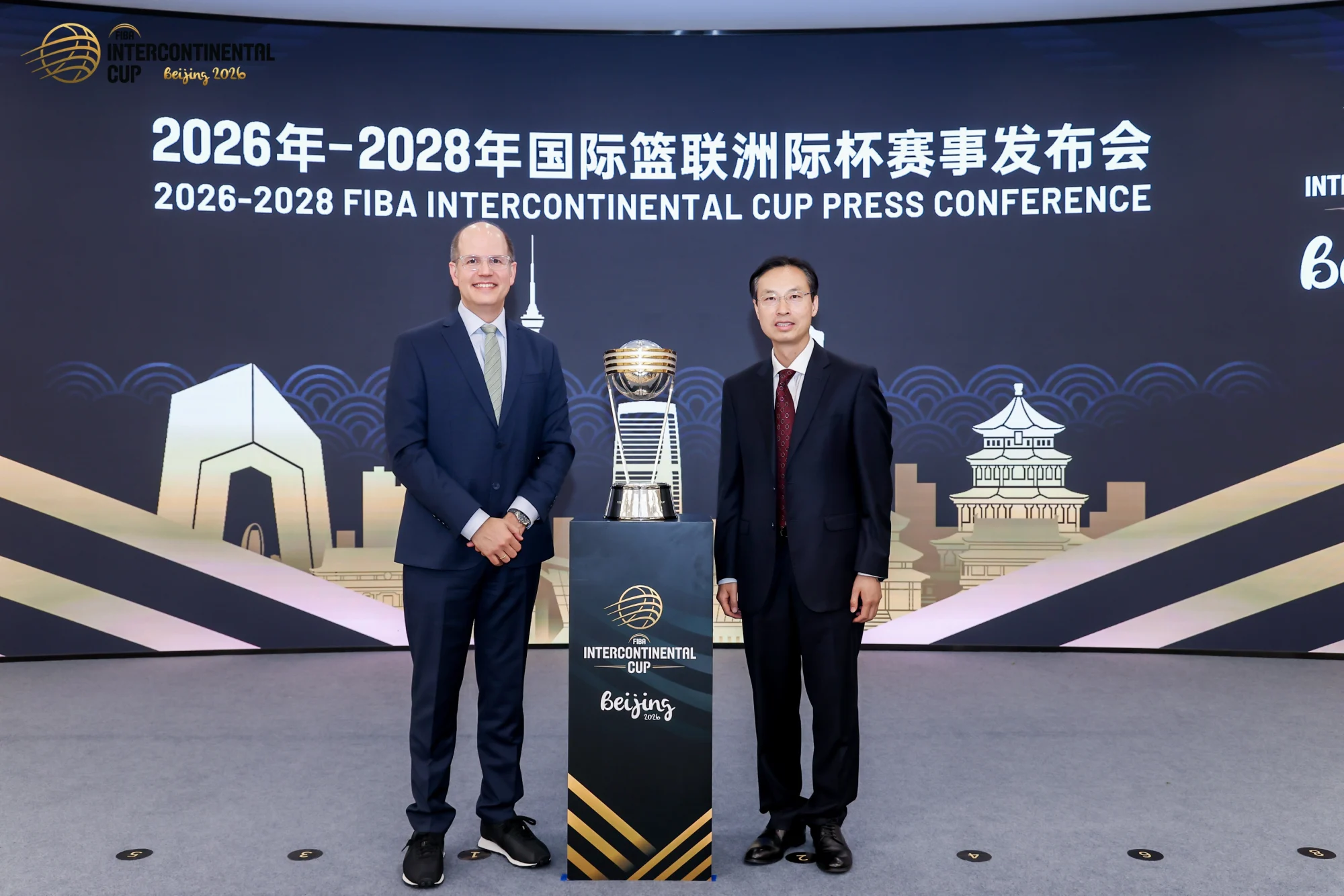
AfricaThe FIBA Intercontinental Cup is entering a new chapter. FIBA has officially announced that Beijing, China, will host the competition from 2026 to 2028, marking the first time the prestigious global club tournament will be staged in China. The move follows a successful three-year run in Singapore, which hosted the event between 2023 and 2025. Created in 1965, the Intercontinental Cup has evolved from a competition between a handful of continental champions into a truly global club championship. Beijing's selection reflects FIBA’s ambition to continue expanding the tournament’s international reach while capitalizing on China’s passion for basketball and proven experience in hosting major sporting events, including the 2019 FIBA Basketball World Cup. FIBA Secretary General Andreas Zagklis described the decision as part of the organization’s mission to modernize and grow the competition, emphasizing Beijing’s ability to deliver world-class basketball events over the next three years. RSSB Tigers to Represent Africa in Beijing The announcement is particularly significant for African basketball. Following their historic BAL championship run, RSSB Tigers have already secured their place in the 2026 Intercontinental Cup and will represent Africa against champions from other regions of the world. Among the clubs already qualified for the 2026 edition are: RSSB Tigers (Basketball Africa League champions) Rytas Vilnius (Basketball Champions League Europe champions) Boca Juniors (Basketball Champions League Americas champions) Additional participants will be confirmed in the coming months. A Growing Global Competition Over its 35 editions, the Intercontinental Cup has welcomed clubs from six continents and become one of the most prestigious tournaments in world basketball. European clubs have historically dominated the competition with 24 titles, while Spain remains the most successful nation with 12 championships. For Africa, the tournament continues to provide an opportunity to measure its top clubs against the best teams from Europe, the Americas, Asia, and Oceania. After recent appearances by clubs such as Al Ahly SC, Petro de Luanda and Al Ahly Ly, the spotlight now turns to the RSSB Tigers as they prepare to carry Africa’s hopes onto the world stage in Beijing this September. The 2026 edition is scheduled to tip off in late September, opening a new era for one of basketball’s most prestigious club competitions.
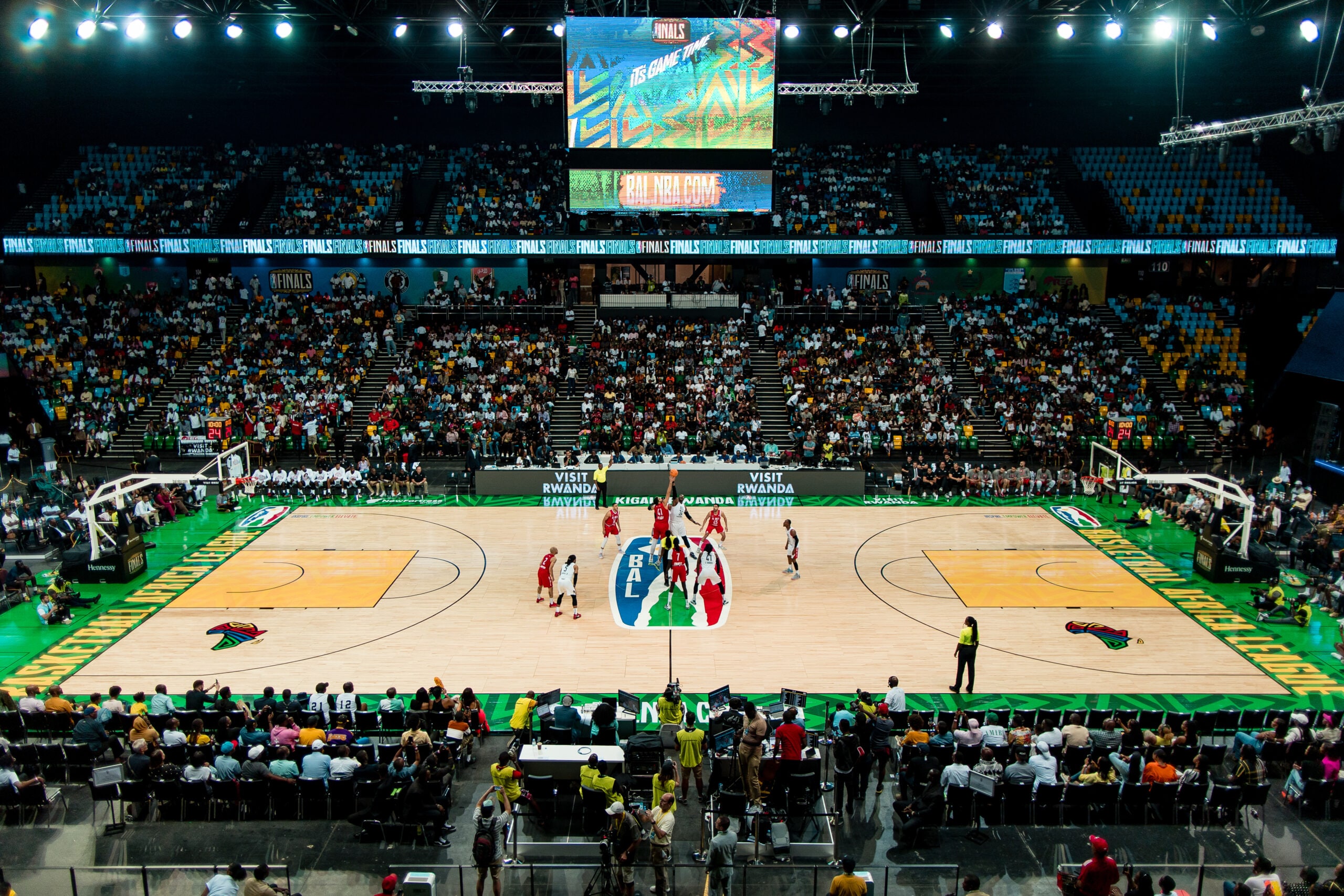
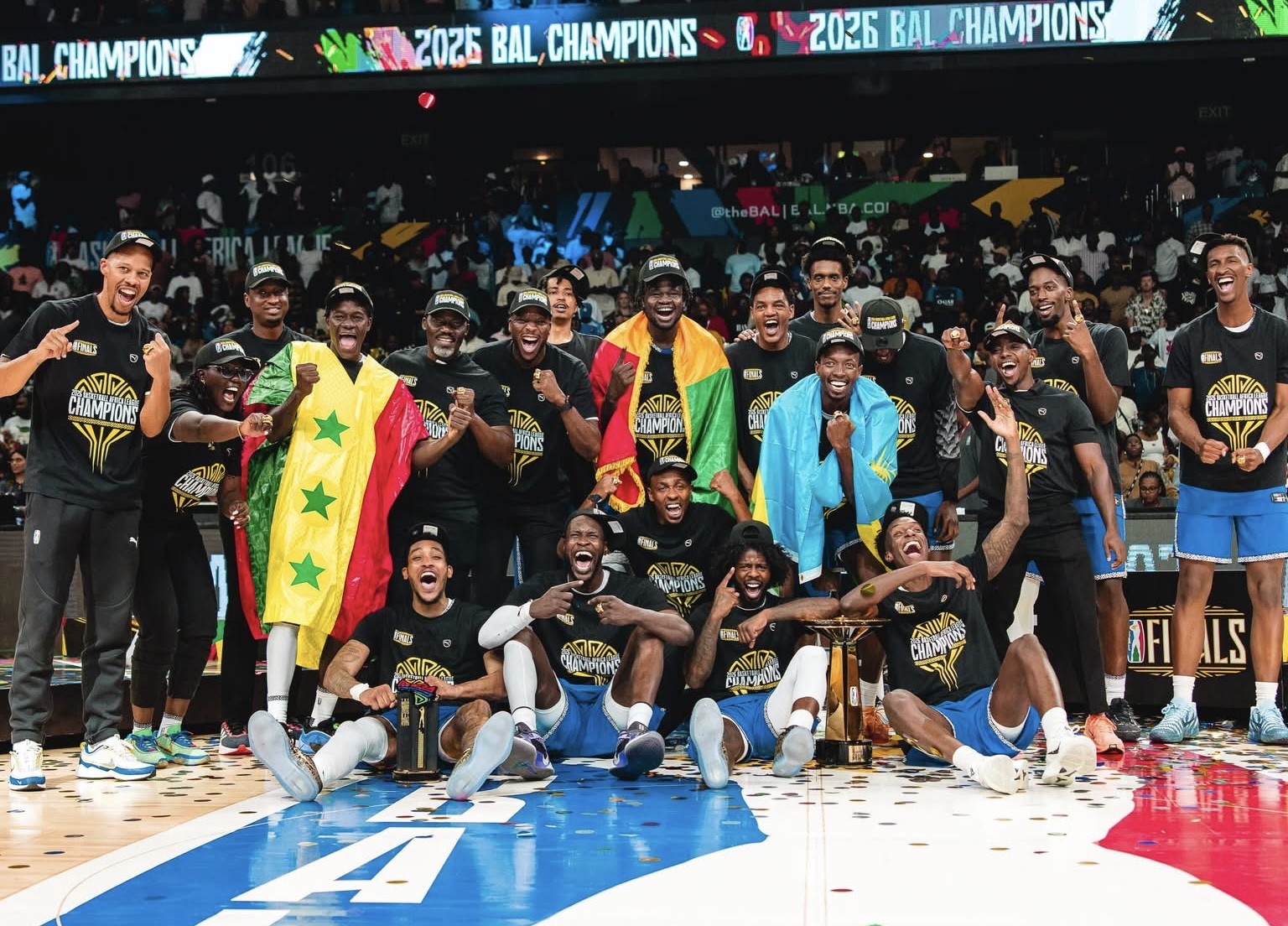
AfricaThe RSSB Tigers etched their names into African basketball history on Sunday by winning the 2026 Basketball Africa League (BAL) championship. Backed by a passionate home crowd at Kigali’s BK Arena, the Rwandan side rallied from a massive early deficit to defeat Petro de Luanda 90-88, becoming the first Rwandan club to lift the BAL trophy. The final appeared headed in Petro de Luanda’s direction from the opening minutes. The Angolan powerhouse, which was seeking its second BAL title and third consecutive finals victory, stormed out to a remarkable 20-0 start and led 27-16 at the end of the first quarter. However, the Tigers gradually clawed their way back into the contest, feeding off their defensive intensity and the energy of the home crowd. The comeback was fueled by a spectacular performance from Craig Randall II, who once again delivered on the biggest stage. After a slow start, the American guard caught fire in the second quarter and finished with a game-high 33 points, knocking down several crucial three-pointers and leading the Tigers’ offensive charge. His scoring explosion proved decisive as RSSB completed one of the most memorable comebacks in BAL Finals history. Petro de Luanda fought until the final buzzer behind a dominant outing from Aboubacar Gakou, who recorded 28 points and 12 rebounds, while Chasson Randle added 17 points. Despite controlling much of the game, the Angolan champions were unable to withstand the Tigers' late surge and fell just short of securing another continental crown. The victory caps a dream BAL debut season for RSSB Tigers, who become the first Rwandan team and the sixth different franchise to win the competition. For Petro de Luanda, the defeat marks a heartbreaking end to a campaign that saw them reach their fourth BAL Final in six seasons and their third consecutive championship game.
AfricaPetro de Luanda advanced to its third consecutive Basketball Africa League Final after defeating Al Ahly Ly 94-88 in a dramatic semifinal clash in Kigali. Trailing for most of the game, the Angolan champions produced a dominant fourth-quarter comeback to secure their fourth BAL Finals appearance in six seasons. The matchup was a rematch of the 2024 BAL Final, and for much of the contest, Al Ahly Ly appeared in control. The Libyan champions dictated the tempo through the first three quarters with aggressive offense and strong execution. However, the momentum completely shifted when Cleusio Castro threw down a thunderous dunk to give Petro a 75-73 lead with 7:13 remaining. From that moment on, Petro never trailed again. The game-changing spark came from the bench through Childe Dundao. Entering as Petro’s seventh man, Dundao transformed the flow of the game with his pace, energy, and playmaking. Alongside him, Gerson Gonçalves delivered a huge offensive performance to lead the Angolan giants back into the BAL Final. With the victory, Petro de Luanda now reaches the BAL Finals in 2022, 2024, 2025, and 2026, further cementing its legacy as one of Africa’s premier basketball dynasties. Petro will now face RSSB Tigers, who eliminated Al Ahly SC 106-97, in what promises to be an electric championship game in front of the Kigali crowd. Meanwhile, Al Ahly Ly will face Al Ahly in the third-place game after falling just short of reaching the club’s first-ever BAL Final.
BALRSSB Tigers continued their remarkable Basketball Africa League 2026 campaign by defeating Al Ahly 106-97 in the semifinals at a packed BK Arena in Kigali, securing the first BAL Finals appearance in club history. In a high-scoring and entertaining battle, the Tigers pulled away during the final five minutes after the game remained tightly contested for most of the night. The two teams were tied 50-50 at halftime before the Rwandan side gradually took control with its pace, energy, and offensive execution. The trio of Oumar Ballo, Craig Randall II, and Teafale Lenard Jr led the home side to the historic victory. Ballo dominated the paint with a massive double-double of 20 points and 17 rebounds, while Randall once again exploded offensively with 30 points, finishing just one three-pointer short of another BAL record. Returning from injury, Teafale Lenard Jr added 19 points, 7 rebounds, and 3 assists in a huge all-around performance. On the other side, 2023 BAL champions Al Ahly stayed competitive behind Zack Lofton, who delivered an outstanding performance with 36 points and 5 assists. However, despite Lofton’s offensive brilliance, the Egyptian giants could not withstand the Tigers’ late surge and saw their hopes of returning to the BAL Final come to an end. With the victory, RSSB Tigers become the first Rwandan club ever to qualify for a BAL Final, continuing a dream season in front of their home fans in Kigali. They will now face the winner of the semifinal clash between Petro de Luanda and Al Ahly Ly in the championship game.